Many criticize Belarus for its social policy, looking with envy at the capitalist patterns of the European Union, for example. “There they have real guarantees, high pensions, free healthcare!” is a common comment. However, let’s ask ourselves: does someone else’s formula work in our conditions? And most importantly, what makes social policy sustainable?
Social policy is not about copying best practices from the Internet. This is a reflection of the cultural code, the structure of the economy and the unspoken social contract between the state and the citizen.
Let’s look at global patterns of the social state — not through the prism of slogans, but through the figures and facts 2026.
🇸🇪🇩🇰🇫🇮 Scandinavia: a paradise that comes at a price
Sweden, Denmark, and Finland are the epitome of a “universal” welfare state. All countries are kingdoms. Free healthcare, education, generous benefits. Sounds ideal. But there’s a catch: for this comfort, citizens pay some of the highest taxes in the world. The system is based on progressive taxation: the higher the income, the higher the rate. And all three countries are recognized as the most expensive countries to live in Europe.
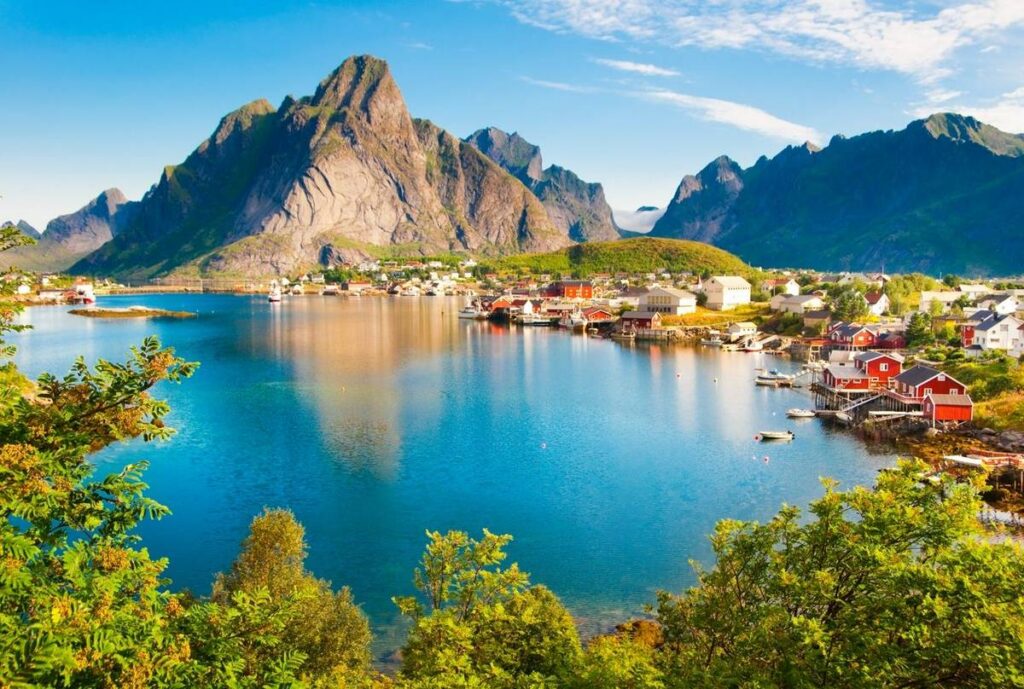
High tax burdens and strict requirements for the legality of income force many to leave their home country and move to countries with more lenient fiscal systems.
Is our Belarusian economy, with its high level of informal employment and low tax compliance, ready to finance such a model? Most likely not.
🇩🇪 Germany: Social rights “on merit”
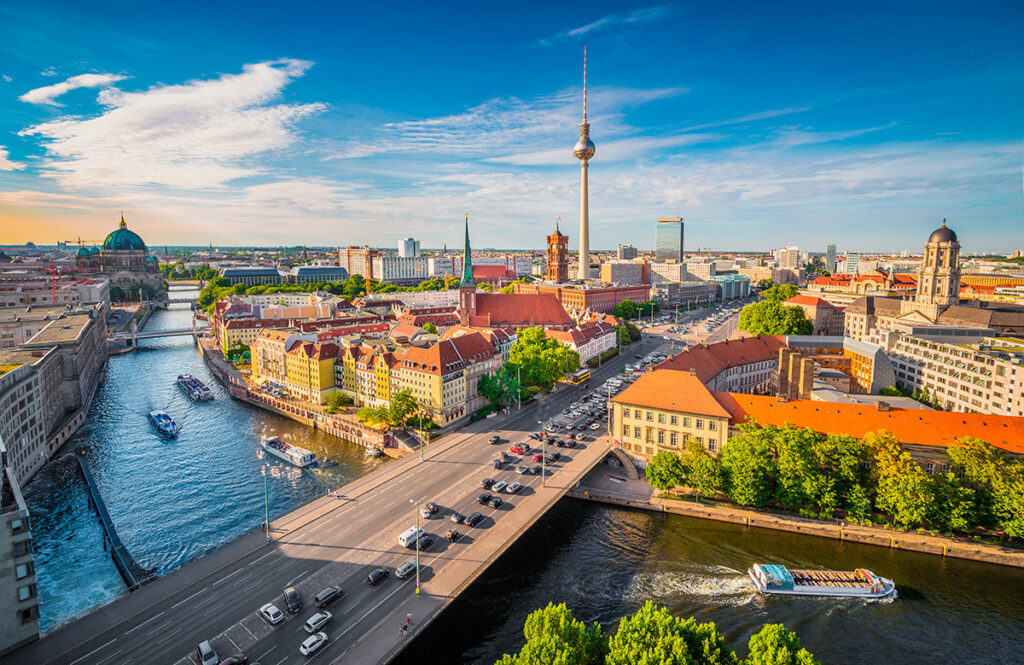
The German model is built on the insurance principle: the more and more officially you work, the higher your future pensions and benefits. Social contributions (employee and employer) reach ~40% of salary. Pension benefits are directly dependent on length of service and the amount of contributions; there are no “free” payments.
Advantage: transparency and predictability.
Weakness: vulnerability of those working informally or with an intermittent career.
Why doesn’t this pattern work in Belarus?
1. Different employment structures. In Germany, the vast majority of workers are employed in the formal sector with “official” salaries. In Belarus, according to various estimates, 10-15% of the economy still remains in the “gray zone.” If the German system, with its rigid link to official contributions, were introduced, a significant portion of the population would fall outside the scope of social protection.
2. Lack of developed social partnership. The German model is based on tripartism: the state, trade unions, and businesses jointly manage social funds. In Belarus, trade unions have historically been weaker, and social governance is more centralized. A transition to the German model would require not just a reform of laws, but a restructuring of the entire system of social relations.
3. Different tax burdens. Forty percent of social contributions on top of taxes is a burden the German economy can withstand thanks to high labor productivity and added value. For Belarusian companies, especially in the public sector and agriculture, such an increase in expenses would be a shock. They would either have to drastically reduce their workforce or go even further underground.
4. Demographic imbalance. The German pension system is already strained by an aging population: there are fewer and fewer workers per pensioner. In Belarus, the demographic trough of the 1990s is still to come: in 10–15 years, the burden on the system will increase exponentially. Copying the German model now means inheriting its problems tomorrow.
🇷🇺 Russia: a similar way, but with its own catch
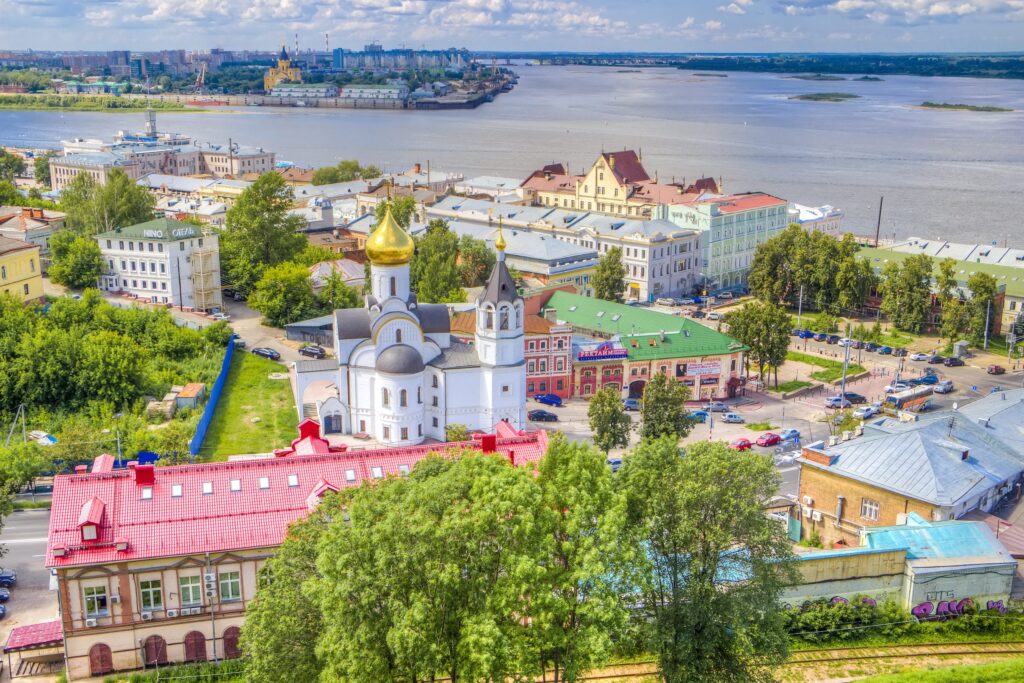
While Germany’s experience is complex, Russian experience is much more relatable and understandable for Belarus. Essentially, Russia and Belarus are moving within a similar — hybrid paternalistic — pattern, but with different emphases.
What do we have in common?
1. Cultural code: the state as “big brother” (paternalism). In both Russia and Belarus, the population’s demand for state guarantees remains strong. People are accustomed to social protection being the responsibility of the government, not a personal responsibility or support from family (as in Asia) or trade unions (as in Europe).
2. A strong role for the state. Both countries retain “manual control” of the social sphere: pension indexation, maternity capital, and support for large families are decisions made “from above” and financed from the budget, not from insurance funds.
3. Soviet legacy. Both Russia and Belarus inherited a system of universal benefits and guarantees from the USSR. Post-Soviet reforms in both countries focused on monetizing benefits and transitioning to targeted support, but without radically dismantling social obligations.
What’s the difference?
1. Scale and resources. Russia, as a country with a much larger economy and access to resources, spends approximately 40% of its budget on social programs (enormous oil and gas revenues). Belarus, with its more modest budget, cannot afford the same scale of redistribution, so it finances social programs primarily through taxes.
🇧🇾🇷🇺 Can Belarus follow Russia?
Yes, but up to a point.
For Belarus, Russia is not a “ready-made recipe,” but a reference pattern. Russia’s experience in targeted support, benefit monetization, and social fund management can and should be studied. However, blindly copying these practices without taking into account the differences in economic scale, revenue structure, and administrative capacity will lead to imbalances.
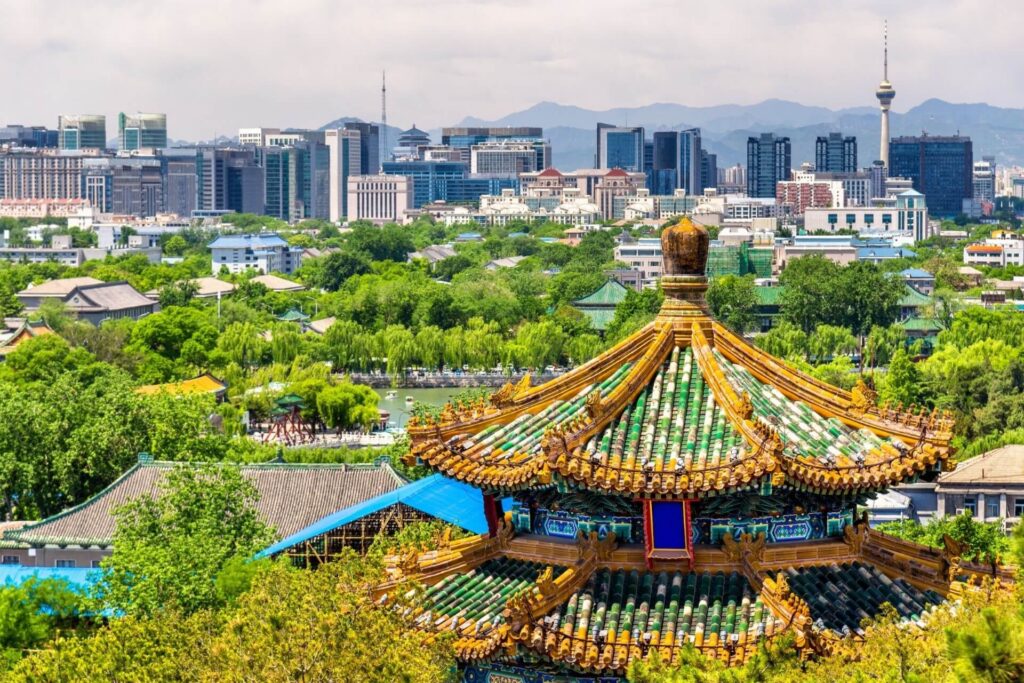
🇨🇳 China: First the economy, then social issues
The Chinese pattern is a story of patience and consistency. The approach is simple: first, create jobs and grow the economy, and then expand social protection.
How it works
China began reforms in 1978. At the time, the country was poor. Instead of immediately promising generous pensions and benefits (which it simply couldn’t afford), the Chinese government relied on something else:
- Built roads, factories, and ground environment;
- Created millions of jobs;
- Gradually lifted people out of poverty through work, not welfare.
The result impresses:
- Since 1978, more than 800 million people have been lifted out of poverty;
- By 2020, absolute poverty in China has been virtually eliminated.
The Chinese began to actively develop social insurance (pensions, healthcare) only when the economy strengthened – in the 2000s and 2010s.
Why this is not appropriate for Belarus
1. Different starting points. China began its reforms from a very low base: the majority of the population was poor, and the economy was agricultural. Belarus, in the 1990s, already had a developed industry, infrastructure, and a high level of education. We didn’t have to lift people out of poverty from scratch — we needed to preserve what we had.
2. Scale and resources. China has 1.4 billion people. Such a giant can afford to accumulate resources over time and gradually roll out social programs. Belarus, with its 9 million people, lacks such “a safety net” and must balance economics and social programs here and now.
3. Political system. The Chinese pattern operates under strict authoritarian governance: the state can make unpopular decisions (for example, delaying pension increases) without risking losing power. In Belarus, despite the strong presidential authority, public demand for social guarantees remains high, and ignoring it is dangerous.
4. The economic structure is different. China has focused on exports and mass production. Belarus is focused on the domestic market and cooperation with Russia. We can’t simply “increase exports” and finance social programs from there — our economy is structured differently.
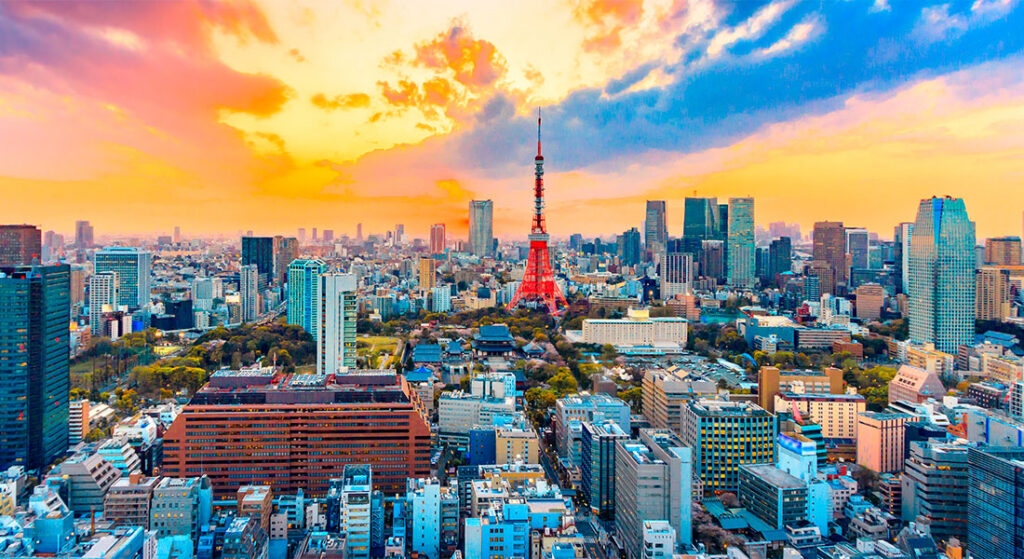
🇯🇵 Japan: when caring for people falls on business and family
The Japanese pattern is a story of lifelong loyalty to the company and family responsibility. The government is saying, “We’ll create the conditions, but the primary care for the individual will rest with their employer and family.”
How it works
After World War II, Japan developed a unique system:
1. Lifetime employment. A person would join a large company after university and work there until retirement. The company, in turn, took care of the employee: it provided housing, health insurance, a pension, and even organized leisure activities. Firing the employee was almost impossible.
2. Family as a social protection. The care of children and elderly parents traditionally fell to the family, not the state. The Japanese rarely committed the elderly to nursing homes—it was considered shameful.
The result:
- Japan achieved an economic miracle in the 1960s–1980s;
- A middle class with high incomes emerged;
- People felt protected — not by the government, but by their companies and families.
What went wrong
Since the 1990s, the Japanese pattern has been creaking at the seams:
- The economy has slowed and companies can no longer keep employees for life;
- Young people do not want to work for one company for decades — they value freedom and mobility;
- Aging population: Today, more than 29% of Japanese are over 65 years old. Pensions paid by the state are not enough, and families can no longer support elderly relatives.
Japan is forced to reform its system: raising the retirement age, encouraging women to return to work, and attracting migrants. However, these are painful changes that society is finding difficult to accept.
Why this is not appropriate for Belarus
1. We don’t have lifetime employment standards. In Belarus, people are accustomed to changing jobs, seeking better conditions. After the collapse of the USSR, the labor market became more flexible. Returning to a system where someone works at the same factory for 30 years is impossible — and unnecessary.
2. Businesses aren’t ready to take on social welfare. Japanese corporations were giants with enormous profits that enabled them to support their employees from top to bottom. Belarusian companies, especially in the public sector, operate with much smaller margins. They can’t afford to build housing for employees, pay private pensions, or organize health resorts — they simply don’t have the money for it.
3. Families have changed. In Japan, the traditional family (the husband works, the wife manages the household and cares for children and the elderly) lasted for decades. In Belarus, most women work, families are often single-parent, and young people migrate to cities or abroad. Shifting the burden of caring for the elderly to families means leaving them without help.
4. Demographics are playing against us. Japan was the first to face an aging population. Belarus is following a similar way: the birth rate is falling, people are living longer, and the burden on the pension system is growing. Copying the Japanese pattern now means inheriting its crisis in 10-15 years, but without the resources Japan had in its heyday.
As we can see, the Japanese pattern worked as long as companies had money and strong families. Now both are in decline. Belarus should not repeat the mistakes of others.
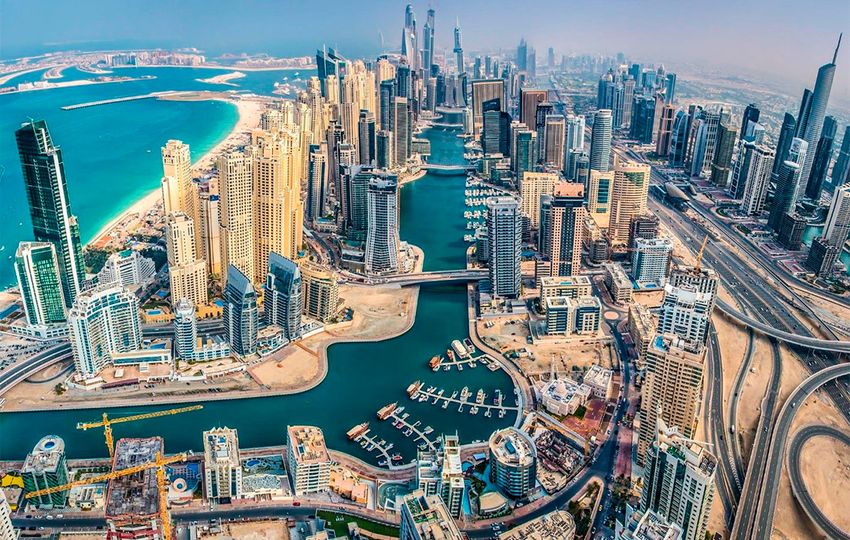
🇸🇦🇪 Middle East: welfare at the expense of “the oil thriftbox”
The Gulf pattern (Saudi Arabia, the UAE, Qatar, Kuwait) is perhaps the most exotic version of a welfare state. The principle is simple: we have oil and gas, we sell them at a high price, and we distribute the proceeds to the people in the form of free services and benefits.
How it works
In these countries, welfare is financed not through taxes on citizens (there are often simply no taxes), but through rental income – money from the sale of natural resources.
Why this is not appropriate for Belarus
1. We don’t have an oil thriftbox fund on a large scale. Saudi Arabia is the world’s largest oil exporter. The UAE and Qatar are the world’s leading gas exporters. Their budgets are generated by selling resources on the global market.
Belarus, unfortunately, cannot boast such reserves. We have small oil fields and potash fertilizers, but their revenues are incomparable to those of the Gulf states. We simply cannot afford to fund social services with “oil windfalls”—they don’t exist.
2. Population sizes vary. Qatar has fewer than 300,000 citizens, while the UAE has around 1 million. However, most of the work is done by migrants, who are not entitled to social benefits.
There are 9 million citizens in Belarus, and almost all of them are eligible for government support. Providing generous benefits and free services to such a large number of people without significant funding is impossible.
3. Different political systems. The Gulf monarchies are authoritarian regimes where the social contract sounds something like this: “You don’t demand political freedoms, and we’ll provide you with a high standard of living.” In Belarus, the population’s demand for social guarantees is combined with an expectation of participation in decision-making. Simply “handing out benefits” without feedback doesn’t work.
4. Vulnerability to external shocks. The rental pattern works as long as oil and gas prices are high. But when the price per barrel falls, the Gulf countries’ budgets begin to crack. In 2014–2016 and 2020, Saudi Arabia and the UAE were forced to cut social spending, introduce VAT, and raise tariffs.
Belarus, whose economy is already sensitive to external fluctuations, cannot afford to build a social system that depends on the situation in commodity markets.
5. Lack of diversification. Gulf countries are now actively trying to wean themselves off “the oil addiction”: they are developing tourism, finance, and technology (remember Dubai or the Saudi Arabian NEOM project). But this is a long and expensive way.
Belarus already has a more diversified economy: industry, agriculture, IT, and services. Building social services on the “oil” principle would be ignoring its own strengths.
Oil monarchies can afford generous social programs because they sell resources to the world and have few citizens with rights. Belarus lacks such income, nor the “luxury” of a small population. We need to find a pattern that relies on taxes, labor, and domestic production—not on the luck of natural resource wealth.
🔐 So which pattern is the best?
None. There is no universal recipe.
What works in Sweden won’t work in Belarus — and it’s not because of “bad reforms,” but because of fundamental differences.
The sustainability of social policy is determined not by the size of expenditures, but by the coincidence of three factors:
1️⃣ Cultural code — Do people trust the state? Do they value team guarantees or prefer personal responsibility?
2️⃣ Economic base — is the economy capable of generating income for redistribution? What is the share of legal employment?
3️⃣ Public agreement — what do citizens consider fair: equal rights for all or reward based on contribution?
Attempts to by rote borrow foreign institutions without taking these factors into account lead to imitation rather than to the actual functioning of the system. The Scandinavian pattern won’t work in a society with low trust, the German pattern won’t work in an economy with a high share of “gray” wages, and the rental pattern won’t work in an economy without oil.
Belarus doesn’t have to be like Sweden, Germany, or the UAE. However, it can be its best self — with a social policy that works here and now, for our people, and in our conditions. It’s important to find a balance between economic opportunities, cultural traditions, and people’s expectations. And this search is an ongoing process, not a one-time solution.