
Transporting Birds, Animals, and Reptiles

Contents:

  • Transporting cats, dogs, and ferrets by land
  • Transporting animals by air
  • Importing parrots, canaries, and other species of exotic birds into Belarus
  • Importing rodents and exotic animals into Belarus
  • Importing cattle, horses, goats, and sheep
  • General rules for transporting pets in a car

๐Ÿˆ๐Ÿ•โ€๐Ÿฆบ๐Ÿฆฆ Transporting Cats, Dogs, and Ferrets by Land

The authorized body of the Republic of Belarus responsible for veterinary control is the Main Veterinary Directorate of the Ministry of Agriculture and Food of the Republic of Belarus.

Hotline numbers โ€” +375 17 227 73 53, +375 17 227 81 04.

โš ๏ธPlease note that walking animals at the border is prohibited!

When importing animals into Belarus from the EU, they are subject to veterinary control, which must be passed BEFORE customs. Therefore, calculate your route taking into account the availability of a veterinarian at the checkpoint. You can view them on the State Border Committee website.

You must proceed to the “Red” corridor (if a dual-corridor technological system is available) and fill out a passenger customs declaration in 2 copies, one of which remains with the customs authority, while the second is handed back to the individual.

The animal must be entered in the declaration, in the column “Goods subject to customs control.” You will need to enter: what kind of animal you are carrying, its name, color, breed, chip number, vet passport number, date of issue, and the name of the organization that issued the passport. You will be assisted with this at the veterinary control window. After checking all necessary data for the animal, the veterinarian will issue an import permit for the animal, which is confirmed by a corresponding mark in the passenger customs declaration. This declaration must be presented to the customs inspector.

โš ๏ธPlease note that you can import no more than 2 heads per person (otherwise it is considered a commercial import)!

If there are more animals, as an option, you can either make several trips with the animals or enter other responsible persons in their passports who will travel with you and also undergo vet control.

If you are importing for a kennel, the import of dogs (cats) in an amount of more than 2 heads or for commercial purposes is carried out by permission of the Department of Veterinary and Food Supervision of the Ministry of Agriculture and Food of the Republic of Belarus and must be accompanied by a veterinary certificate.

What does the veterinarian check?

  • Presence of an international veterinary passport (for domestic animals);
  • Valid vaccination against rabies (performed no earlier than 21 days and no later than 12 months before import);
  • Microchip;
  • Absence of clinical signs of diseases (a mark in the passport made during the final examination at a vet clinic no earlier than 5 days before departure).

โš ๏ธ Features and nuances for ferrets:

  1. Not all veterinarians are aware that ferrets must be vaccinated against rabies

    โ€” In the EU and many other countries, ferrets are vaccinated using the same vaccines as dogs and cats (e.g., Nobivac Rabies, Defensor, etc.).

    โ€” Ensure that the passport clearly states:

    โ€œVaccinated against rabiesโ€ + vaccine name, serial number, date, expiration date, and the veterinarian’s signature.
  1. The animal may not be recognized immediately at the border โ€” Some inspectors rarely encounter ferrets and may become โ€œwary.โ€ โ€” Take a photo or a printout with you indicating that a ferret is a domestic animal permitted for import. โ€” It is best to clarify in advance with the Veterinary Supervision Department of the Republic of Belarus that ferrets are equated to cats and dogs.
  2. Transportation โ€” A ferret must be transported in a carrier (plastic, with ventilation). โ€” They are highly active and can escape even from a fabric bag. โ€” At the border, you may be asked to take the animal out for inspection โ€” be prepared.

๐Ÿšซ When are additional documents required?

  • If you are importing more than 2 ferrets โ†’ an EAEU form veterinary certificate and registration as a commercial import are required.
  • If the ferret is not vaccinated against rabies โ†’ import is prohibited.
  • If you are transporting the animal unaccompanied (e.g., by courier) โ†’ it is nearly impossible.

๐Ÿ’กPractical advice:

Ferrets are not included in CITES and are not considered exotic in a veterinary sense โ€” they are officially recognized as domestic animals in the EAEU. Therefore, provided there is a passport with a chip and rabies vaccination โ€” there should be no problems.

Additional Information on the Animal Passport

๐Ÿถdogs must be vaccinated against canine distemper, hepatitis, parvovirus infections, and adenovirus infections, leptospirosis (unless they were treated for prophylactic purposes with dihydrostreptomycin or a substance registered in the exporting country that provides an equivalent effect), and rabies;
๐Ÿฑcats โ€“ against rabies and panleukopenia;
โš ๏ธPlease note that since September 16, 2024, rabies titers were added to the list of vaccinations (for cats, dogs, and ferrets).

Rabies antibody titers is a test that shows the level of antibodies to the rabies virus in the blood of a dog, cat, or ferret. These antibodies are released in the animal’s body some time after the rabies vaccination, and their level must be at least 0.5 IU/ml.

Titers are not required for entry into Belarus! However, you must have them done in your country if you plan to return to the EU from Belarus later.
Without titers, the animal will no longer be allowed back into the EU!

It is not possible to perform this test in the Republic of Belarus due to the absence of EU-accredited laboratories in the country. However, there are veterinary clinics that take samples and send them to Moscow via courier. But keep in mind that you should not expect a quick result. At least 3 months must pass from the date of the blood sample until your trip outside of Belarus. This test is performed only once in a lifetime and has no expiration date, provided that your pet does not miss its annual rabies vaccination in the future.

Do You Need to Translate the Pet Passport?

A translation of the international veterinary passport is not required if it contains information in Englishโ€”this is sufficient for passing veterinary control in Belarus. If you have an EU passport, everything is fine; the veterinarian will be able to understand it.

If the passport is issued only in a national language (for example, only in German, Polish, or French) without an English version, the veterinarian may ask you to clarify the data. In such a case, a simple (non-notarized) translation of the key pages is sufficient:

  • animal data (breed, date of birth, chip);
  • rabies vaccination (date, vaccine name, period of validity).

Customs Duties for Importing an Animal into Belarus

If pets are imported for hunting, sports, or tourism, in the quantity necessary for use during the period of stay within the customs territory of the Union, they can be temporarily imported by foreign individuals for the duration of their stay without paying customs duties or taxes, regardless of the value and (or) weight of such goods.

If you are a permanently resident foreign citizen in Belarus (i.e., you are importing the animal while holding a residence permit (PRP)), the duty-free import norms established by legislation will apply to the animal: 25 kg and 500 euros in equivalent (your estimated value of the animal, even if symbolic, is entered into the declaration). If either of these parameters is exceeded, a customs duty of 4 euros per 1 kg or 30% of the value must be paid.

โœˆ๏ธ Transporting Animals by Air


Transporting animals by air from third countries to Belarus is possible but requires thorough preparation. The procedure is regulated by both international rules and the national legislation of the Republic of Belarus and the EAEU. Here are the key aspects:

1. Transportation Format

Animals can be transported:

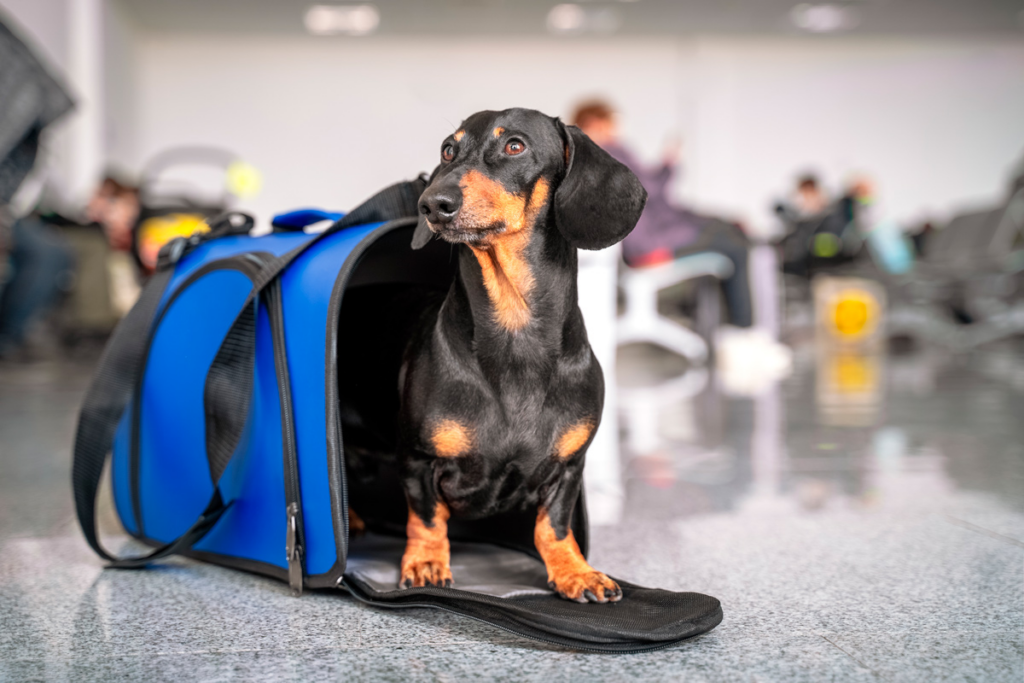
  • In the aircraft cabin โ€” only small animals (usually up to 8โ€“10 kg including the carrier), in a special container placed under the seat. Prior coordination with the airline is required.
  • In the baggage compartment (in a crate) โ€” for most dogs and cats. The crate must comply with IATA standards (ventilation, size, strength).
  • As cargo (cargo) โ€” if the animal is large or if you are not traveling on the same flight.

โš ๏ธ Important! Not all airlines accept animals, especially during the summer or winter periods (due to temperature restrictions). Verify the rules in advance!

2. Required Documents

To import a pet (cat, dog, ferret, etc.) from the EU to Belarus by air, you will need:

Mandatory:

  • International Veterinary Passport: * including microchip data;
    • with a mark of vaccination against rabies (performed no earlier than 21 days after vaccination and no later than 12 months before import);
    • with a record of good health made by a veterinarian during a final visit within 5 days before departure.
  • Written statement from the owner (often included in the customs declaration upon import).

Additionally (upon request):

  • EAEU Form Certificate โ€” not required if: the animal is imported accompanied by the owner; the quantity is no more than 2 heads; and the purpose is personal use (not for sale or breeding).
  • When importing birds, reptiles, rodents, or exotic species โ€” additional permits may be required (e.g., from the Department of Veterinary Supervision).

3. Passing Control at Minsk Airport

Veterinary control must be completed before customs control. At Minsk-2 Airport, there is a veterinary control post where you must present:

  • the animal’s passport;
  • the carrier/crate;
  • sometimes โ€” a copy of the ticket and the owner’s documents.

After inspection and document verification, you will receive an import permit. Only then should you proceed to customs control (if you are declaring the animal as part of your property).

4. Declaration

The animal is entered into a written customs declaration, especially if you are importing property for Permanent Residency.

5. Cost, Rules, and Conditions of Transportation

These depend on the airline, the weight, the route, and the transport format. Every carrier (Lufthansa, LOT, Turkish Airlines, etc.) has its own tariffs and restrictions.

Practical Recommendations:

  • Label the crate: “LIVE ANIMAL”, “THIS SIDE UP”, your name, and flight number.
  • Contact the airline 2โ€“4 weeks before departure โ€” book transportation in advance (the number of animal slots is limited).
  • Verify the vet post schedule: Ensure the post at Minsk Airport is operational on the day of your arrival.
  • Minsk National Airport Border Veterinary Control Post:
    • ๐Ÿ“ž (+375 17) 279 12 15
    • ๐Ÿ“ž (+375 17) 279 16 90
    • ๐Ÿ“ž (+375 29) 157 09 59
    • ๐Ÿ•’ Working hours: 24/7. More info on the website.
  • Essentials: Bring water, food, absorbent pads, and a leash/muzzle (for dogs).
  • Feeding: Do not feed the animal 6โ€“8 hours before the flight to avoid vomiting.

๐Ÿฆœ Importing Parrots, Canaries, and Other Species of Exotic Birds into Belarus

Importing parrots and other birds into Belarus is possible but bureaucratically complex. As sad as it may sound, it is often easier to find a new owner for your pet. Due to quite strict import requirements, there are frequent cases where people have been forced to release their pets into the wild right at the border, as they were not cleared by control due to document errors and could not return to their country of origin. I will explain why below.

The difficulties of import are related to increased quarantine and veterinary risks (e.g., avian influenza), as well as international conservation agreements (CITES).

Therefore, if you absolutely do not want to part with your pet, you must prepare thoroughly. Because you will not be able to return to your country with the bird. Read why below.


๐Ÿฆ Basic Rules for Importing Birds to Belarus

Birds cannot be imported “just with a passport” like a cat.

Even for a single budgerigar or canary, a full package of documents and prior permission is required. If you are unable to arrange all the necessary documents through an ornithologist, you might want to start looking for a new owner, as all documentation is typically handled by an ornithologistโ€”a specialized professional focusing on bird diseases. However, it is quite possible that your veterinarian can also issue all the necessary documents.

๐Ÿ“‹ Which Documents are Needed?

Permission from the Department of Veterinary and Food Supervision of the Ministry of Agriculture and Food of the Republic of Belarus

They can also be reached by phone at +375 17 327 27 78 and +375 17 328 47 66.

  • Working hours: Mondayโ€“Friday, 9:00 AM โ€“ 6:00 PM
  • Reception email: [email protected]

Once coordinated, you will receive an official permitโ€”this must be presented at the border.

โณ Processing time: up to 15 working days. Therefore, apply in advance. Without it, the bird will not be allowed through the border.

  1. EAEU Form Veterinary Certificate โ€” issued by the veterinary service of the departure country immediately before export (usually 3โ€“5 days prior). โ€” must contain: confirmation of the absence of clinical signs of diseases. International Vet Passport (desirable, but not always sufficient on its own). If the bird is included in CITES (e.g., Macaws, African Greys, Cockatoos, some species of Amazons): โ€” a CITES certificate from the exporting country and an import permit from the RB are required. ๐Ÿ“Œ Canaries and budgerigars are usually not included in CITES, but still require veterinary permission and tests.
  2. Mandatory Laboratory Tests (in the departure country) Before the veterinary certificate is issued, the bird must be tested for:
  • Highly Pathogenic Avian Influenza (HPAI);
  • Newcastle disease;
  • Salmonellosis;
  • Pox. In rare cases, this may involve blood sampling (which is often problematic) or a cloacal swab. Tests are conducted in an accredited laboratory or (if none are available) by the state veterinary service of your country.

Results are entered into the certificate, the validity of which is no more than 72 hours before crossing the border.

๐Ÿ›ƒ Passing Control at the Border

Veterinary control occurs before customs control. Present: the permit from Belarus, the veterinary certificate with test results, and CITES documents (if applicable). A veterinarian will examine the bird. In case of non-compliance โ€” there is a high probability of confiscation and destruction. Yes, alas, but in this case, return is impossible because, according to International Standards in the field of zoosanitary (WOAH – World Organisation for Animal Health), the country of departure is not obliged to take the animal back. Transportation can contribute to the spread of infection, and there is no guarantee that the bird did not come into contact with local fauna at the checkpoint. Therefore, as soon as the bird crosses the state border, it is considered imported into the territory of the RB. If the documents are not in order, this is a violation of veterinary legislation, and the bird becomes an object of quarantine measures. Return in this case is equated to the uncontrolled movement of potentially dangerous biological material โ€” which is unacceptable. Compensation for the cost is also not provided.

๐Ÿ’ก Exceptions (extremely rare) A return is theoretically possible if:

  • the bird has not yet passed the veterinary control line (for example, you realized the error before the examination and withdrew the import yourself);
  • you did not go beyond the transit zone;
  • the country of departure agrees to take the animal back. But in practice, such cases are isolated and depend on the specific inspector and checkpoint.

๐Ÿšซ Restrictions and Prohibitions

  • Import of birds from countries unfavorable regarding avian influenza is prohibited (the list is updated regularly โ€” check with the Department).
  • Birds cannot be imported without a ring or chip (for identification).
  • Birds cannot be imported “as a gift” or without being accompanied by the owner โ€” accompanied only.

๐Ÿ’ก Practical Advice

  • Start preparation 2โ€“3 months in advance โ€” tests, certificates, and permits take time.
  • Verify your bird’s status in CITES.
  • Do not transport the bird without a permit โ€” even if you were “promised entry” over the phone at the border.
  • Use a specialized transport cage with water and ventilation.
  • If using an airline, contact them in advance โ€” many do not transport birds without specific documentation.

๐Ÿ€๐Ÿข Importing Rodents and Exotic Animals into Belarus
Gemini said

Importing rodents, reptiles, amphibians, fish, birds, and other exotic animals into Belarus is a much more complex procedure than importing cats or dogs. The requirements are not the same for all species and largely depend on:

  • Animal species (whether it is included in international or national quarantine/protected lists);
  • Purpose of import (personal keeping or commerce);
  • Country of origin (EU, EAEU, or a “third country”).

Letโ€™s break it down by category.

๐Ÿญ1. Rodents and small mammals: hamsters, guinea pigs, rats, chinchillas, sugar gliders, etc.

Requirements:

  • Import permit from the RB Veterinary Supervision Department โ€” mandatory, even for a single animal.
  • EAEU form veterinary certificate from the country of departure (including health data and absence of infections).
  • Laboratory tests โ€” often required (e.g., for leptospirosis, salmonellosis).
  • Quarantine โ€” in specific cases (especially when importing from unfavorable regions).

๐Ÿ’ก Sugar gliders are marsupials, but they are regulated as small mammals. They are frequently inquired about, but import is very difficult due to specific veterinary requirements.

๐Ÿข 2. Reptiles and Amphibians: turtles, snakes, lizards, chameleons, frogs

Requirements:

  • Import permit from the Department of Veterinary Supervision of the RB โ€” mandatory, even for a single animal.
  • Veterinary certificate confirming the absence of salmonellosis and other zoonoses.
  • CITES permit โ€” if the species is included in the CITES appendices (e.g., most turtles, chameleons, pythons, iguanas). In this case, you will need:
    • A CITES export certificate from the country of departure;
    • An import permit from the Ministry of Natural Resources and Environmental Protection of the Republic of Belarus.

๐Ÿ“Œ Example:

  • Red-eared slider โ€” listed in CITES โ†’ both permits are required.
  • Common garden snail โ€” not in CITES, but still requires a veterinary certificate and permit.

๐ŸŸ 3. Aquarium Fish

Requirements:

  • Import permit from the Department of Veterinary Supervision of the RB โ€” mandatory, even for a single animal.
  • Veterinary certificate โ€” confirming the absence of quarantine fish diseases (e.g., spring viraemia of carp, acute ichthyophthiriasis).
  • The aquarium or container must be airtight and oxygenated.
  • Invasive species are prohibited (e.g., certain cichlids or guppies in the wild environment โ€” though they are usually allowed in aquariums).

๐Ÿ’ก In practice: Small batches (5โ€“10 fish) for a personal aquarium are sometimes allowed through a simplified process, but formally, a permit is always required. Without it, there is a risk of confiscation and disposal.


๐Ÿšซ What is Prohibited?

  • Importing animals from countries unfavorable regarding quarantine diseases (lists are updated regularly!).
  • Importing wild animals without a permit โ€” even if you “found” them or they were “gifted.”
  • Importing without the owner accompanying (e.g., via courier) โ€” almost impossible.

๐Ÿ“ž How to Find Out Exactly What is Needed?

  1. Determine the Latin name of the species (e.g., Petaurus breviceps โ€” sugar glider).
  2. Check if it is included in CITES.
  3. Contact (3โ€“4 weeks in advance):

1. Department of Veterinary and Food Supervision of the Ministry of Agriculture and Food of the Republic of Belarus โ†’ for an import permit:

  • Phones: +375 17 327 27 78 and +375 17 328 47 66
  • Working hours: Mondayโ€“Friday, 9:00 AM โ€“ 6:00 PM
  • Reception Email: [email protected]

After coordination, you will receive an official permit โ€” it must be presented at the border. โณ Review period: up to 15 working days. Therefore, arrange this in advance.

2. Ministry of Natural Resources of the RB โ†’ if the species is in CITES.


๐Ÿ’ก Practical Advice Most exotic animals are much easier and safer to purchase directly in Belarus, where there are registered breeders and pet shops. Importing from abroad is expensive, time-consuming, and risky. Many people back out at the last moment after learning about the complexities.
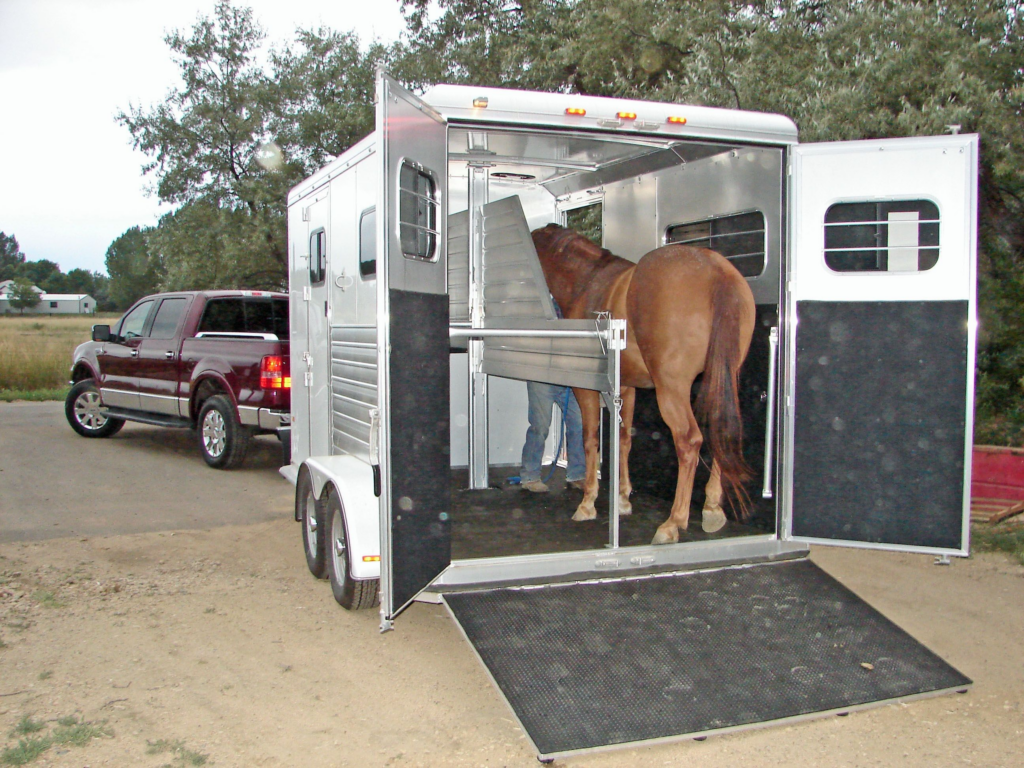

๐Ÿฎ๐Ÿด Importing Cattle, Horses, Goats, Sheep

Transporting cattle (bovines), horses, goats, and sheep from European countries to Belarus is a strictly regulated procedure related to commercial or agricultural import, even if the animals are intended for a private smallholding. Such animals are not considered “pets,” and elevated veterinary, quarantine, and customs requirements apply to them.

Here is what you need to know:

๐Ÿ„ 1. General Principles for All Agricultural Animals

  • Personal import without a commercial purpose is still considered “livestock” and is regulated as the movement of products subject to quarantine.
  • Prior permission from the Department of Veterinary Supervision of the Republic of Belarus is mandatory (applied for in advance, 15โ€“30 days prior).
  • Import is prohibited from countries unfavorable regarding quarantine diseases (e.g., foot-and-mouth disease, African swine fever, brucellosis, bovine leukemia, etc.).
  • All animals undergo quarantine after import (usually 30 days). However, this specific point should be clarified in advance.

๐Ÿ“‹ 2. Mandatory Documents for All Types:

  • Import permit from the Department of Veterinary Supervision of the RB.
  • Veterinary certificate issued by the competent authority of the country of departure:
    • โœ”๏ธ confirms origin from a disease-free farm;
    • โœ”๏ธ contains laboratory test results for the required list of diseases.
  • Identification:
    • ๐Ÿ‚๐Ÿ Cattle, sheep, goats โ€” ear tags (according to the EU country’s system);
    • ๐ŸŽ Horses โ€” passport (Equine ID Document) + microchip.
  • All tests must be performed in an accredited laboratory of the country of departure within the timeframe established by the certificate.

๐Ÿš› 4. Transportation

  • Only by specialized transport complying with sanitary and zootechnical standards (ventilation, waterers, feeders, non-slip floor).
  • The vehicle must have a sanitary passport and be disinfected before and after transportation.
  • The route must be coordinated with the veterinary service โ€” entry into unfavorable (quarantine) zones is prohibited.

๐Ÿฅ 5. Post-Import Quarantine

  • All imported livestock must undergo mandatory quarantine in a specialized isolator or at a private smallholding/farmstead coordinated with the veterinary service.
  • Duration: at least 30 days.
  • During quarantine: moving animals is prohibited; repeated tests are performed; daily veterinary examination.
  • Without completing quarantine, animals cannot be registered in the state accounting system.

๐Ÿ’ฐ 6. Customs Clearance

  • Animals are subject to customs duties and VAT (unlike domestic pets).
  • Valuation โ€” based on the market price in the country of departure.
  • A declaration and payment of duties are required (usually 5โ€“15% + 20% VAT, depending on the HS Code).

๐Ÿ“ž 7. How to Start? Step-by-Step

Obtain permission โ†’ coordinate the import date โ†’ issue a vet certificate in the EU โ†’ organize transport โ†’ complete quarantine.

๐Ÿ’ก Alternative

Many migrants dreaming of a goat or horse purchase animals already in Belarus, as it is:
  • โœ”๏ธ safer (animals are adapted to local conditions and diseases);
  • โœ”๏ธ cheaper (no customs or international transport);
  • โœ”๏ธ simpler (no complex certificates).

๐Ÿš™๐Ÿ•โ€๐Ÿฆบ๐Ÿˆโ€โฌ› General Rules for Transporting Pets in a Vehicle

Moving to a new place of residence is an exciting and significant event. Especially if your loyal life companionsโ€”a cat or a dogโ€”are traveling with you. In this regard, many migrants wonder: is it possible to carry a pet simply in one’s arms or on the back seat?

Our pets are members of our family. And that is exactly why their safety on the road is our primary duty. Especially when it comes to a long trip across the border, where stress, unfamiliar surroundings, and strict control can turn into a tragedy for even the calmest animal.

Why is securing them on the road a necessity rather than a whim?

An unsecured animal in the cabin is a risk both on the highway and at the checkpoint:

  • Escape at the border: Just opening the door at the checkpoint to pass passport control or go out to the veterinary inspector is enoughโ€”and a frightened cat or dog will instantly disappear in an unfamiliar country.
  • Injuries during sudden braking: Even a minor accident can lead to serious damage if the pet is not secured.
  • Problems during control: A veterinary inspector has every right to refuse entry if the animal is not secured and poses a safety threat (for example, behaves aggressively or runs freely around the car). Although in practice, they rarely come out to the vehicle, as they mostly check the documents.
  • Panic in unfamiliar surroundings: Noise, strangers in uniform, smellsโ€”all this can trigger an inadequate reaction even in the most balanced pet.

On the border, there is no “second chance.” If an animal runs away, finding it will be almost impossible.


How to transport a cat when moving?

Cats are especially vulnerable in stressful situations. The only safe way is a reliable carrier:

  • Plastic with a metal door is the best choice. It does not deform, withstands falls, protects against leaks, and is well-ventilated.
  • Fabric bags are risky: they do not give the cat freedom of movement (and crossing the border is a long process), and zippers might not hold, especially if the cat gets scared at the checkpoint.
  • For extra reliability, the carrier can be secured with a seat belt.
  • Be sure to put on a collar with an ID tag (specify your phone number and the note “Moving to RB”).

Remember: the veterinary inspector at the border expects to see the cat in a carrier. This is not only safeโ€”it is a sign of a responsible owner.


How to transport a dog when moving?

A dog can be carried in two waysโ€”depending on size and temperament:

  • In a car crate (box)โ€”ideal for medium and large breeds. The crate must be securely fixed in the trunk or on the back seat.
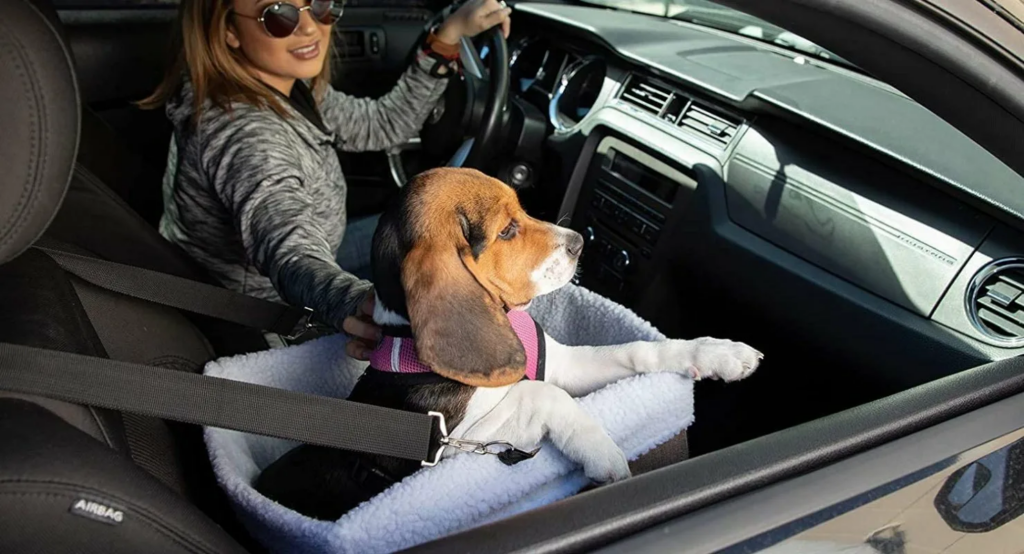
  • In a safety harness attached to the seat beltโ€”only for small, calm dogs that do not distract the driver.

At the border, the dog is mandatory taken out for inspection. Have a muzzle and a leash with youโ€”even for a friendly pet. Without them, vet control may refuse entry.

Preparing for a move to Belarus is not just about gathering documents for a TRP or PRP. It is also about caring for your pet to safely reach their new home. Do not view a carrier, crate, or harness as a restriction of freedom. Imagine it is a bridge between the old life and the new, which you cross together. Take care of those you love!